Healthcare cleaning in Washington State demands more than appearance — why cleaning documentation is the compliance and trust standard for WA medical and dental offices.
Healthcare Compliance, Environmental Services, Infection Prevention
For Washington State medical clinic administrators, dental office managers, and healthcare facility operators, cleaning is no longer a back‑of‑house task. It is a regulated, auditable component of infection prevention, patient safety, and organizational reputation—and the documentation behind that cleaning is just as critical as the cleaning itself.
Documented Cleaning, Safer Care
How rigorous records protect Washington medical and dental practices
The Unique Hygiene Demands of Clinical Environments
Clinical spaces are fundamentally different from standard commercial offices. Patients arrive with open wounds, suppressed immune systems, and complex medical or dental needs. Pathogens can be present on any surface, from the reception counter to the operatory light handle. In this context, medical office cleaning Washington State is a specialized discipline, not a generic janitorial service.
Washington Administrative Code provisions such as WAC 246‑330‑176 for ambulatory surgical facilities and WAC 296‑823‑14055 for bloodborne pathogens emphasize written infection control and environmental management programs. Even if your practice is not an ambulatory surgery center, these standards influence expectations for outpatient clinics and dental offices across the state. The Washington State Department of Health’s Healthcare‑Associated Infections resources further reinforce the need for structured environmental cleaning, use of EPA‑registered disinfectants, and competency‑based training for staff.
Dental practices face additional complexities. Current dental office cleaning standards in Washington require written infection prevention policies, annual infection‑control training, and documented sterilization, surface disinfection, and waterline management. Operatories must be turned over between every patient, high‑volume evacuation must be used during aerosol‑generating procedures, and work surfaces contaminated with blood must be treated with appropriate intermediate‑level disinfectants. These are not optional “best practices”; they are enforceable expectations that must be reflected in your daily cleaning routines and records.
Why Documentation Is as Important as the Cleaning Itself
In healthcare, if it is not documented, it is difficult to prove it happened. Healthcare facility cleaning documentation creates a defensible record that your organization has met its duty of care to patients, staff, and regulators. It also provides the operational visibility administrators need to manage risk proactively rather than reactively.
- Regulatory readiness. Inspectors from the Department of Health, OSHA, or professional boards will expect to see written cleaning schedules, logs, and evidence of staff training. For dental practices, documentation of sterilization monitoring, waterline testing, and environmental disinfection must be retained for years. Robust records demonstrate that your policies are not just written—they are implemented consistently.
- Patient and family trust. Increasingly, patients ask direct questions about how frequently exam rooms, dental operatories, and high‑touch surfaces are disinfected. Being able to reference clear, current logs and standardized clinical cleaning protocols reassures patients that your facility prioritizes their safety and follows evidence‑based practices.
- Incident investigation and quality improvement. When an infection‑prevention concern arises—such as a suspected breach in instrument reprocessing or a blood spill—documentation allows you to reconstruct events, identify gaps, and implement corrective actions. Without written records, it is difficult to distinguish a one‑time deviation from a systemic process failure.
For EVS teams and vendors providing EVS cleaning WA services, documentation also supports workforce management: tracking which staff completed which tasks, when, and with which products. This accountability is essential in complex environments with extended hours, multiple sites, and rotating staff.
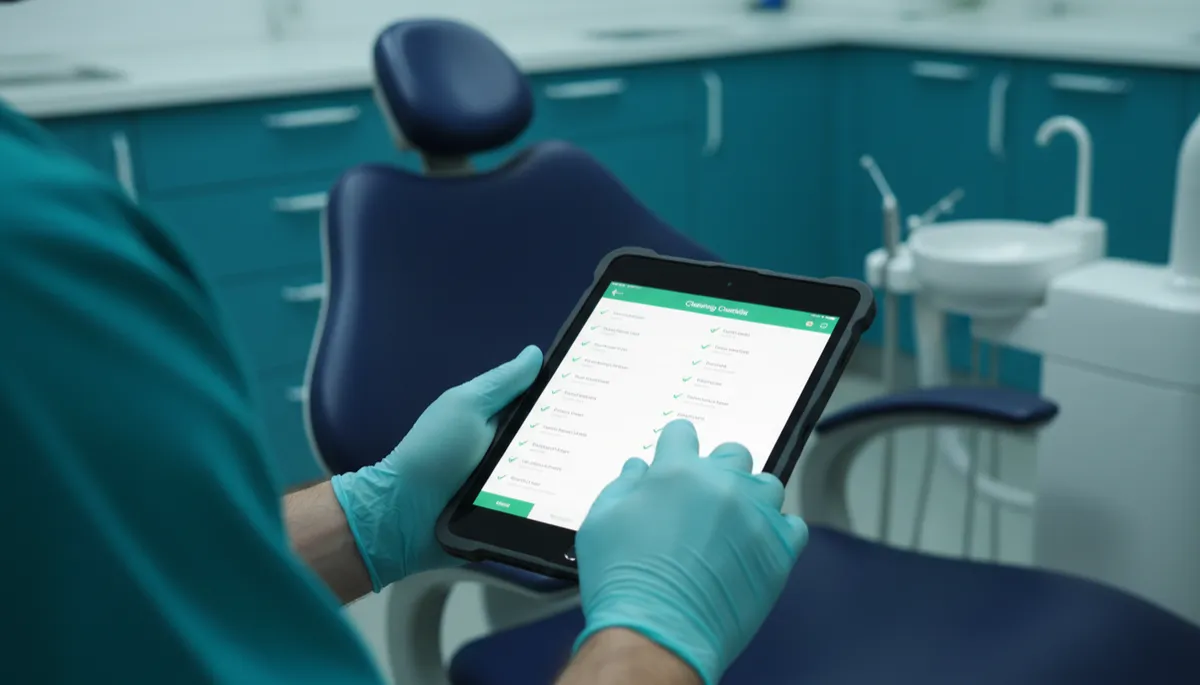
Digital cleaning logs give managers real-time visibility into completed tasks and missed steps.
What Healthcare‑Informed Cleaning Protocols Look Like in Practice
Healthcare‑informed cleaning goes beyond wiping visible soil. It is a structured, risk‑based process aligned with CDC guidance, Washington regulations, and your facility’s infection‑prevention plan. Whether you manage a multi‑specialty clinic or a solo dental practice, effective protocols generally include the following elements.
1. Written, Area‑Specific Cleaning Schedules
WAC 296‑823‑14055 explicitly requires a written schedule for cleaning and decontamination based on location, surface type, and level of contamination. In practice, this means separate, documented protocols for:
- Reception and waiting areas, with emphasis on high‑touch surfaces and shared items.
- Exam rooms and dental operatories, including between‑patient turnover and end‑of‑day terminal cleaning.
- Procedure rooms, imaging suites, and any space with potential exposure to blood or other potentially infectious materials.
2. Standardized Product Selection and Contact Times
Clinical protocols specify which EPA‑registered disinfectants are used on which surfaces, at what dilution, and with what wet contact time. For example, your policy might require an intermediate‑level disinfectant for visibly contaminated surfaces in operatories, or a 1:10 bleach solution for large blood spills, consistent with OSHA and CDC guidance. Staff are trained to read labels, use appropriate PPE, and never shorten contact times for convenience.
3. Defined Workflows and Checklists for Staff
To ensure consistency, clinical cleaning protocols break each task into observable steps: don PPE, remove waste, clean, then disinfect from clean to dirty areas and high to low surfaces, and finally document completion. For dental practices, this integrates seamlessly with instrument reprocessing, waterline maintenance, and aerosol controls. For medical offices, it aligns with room turnover expectations, including timely response to spills and end‑of‑shift decontamination of work surfaces and equipment.
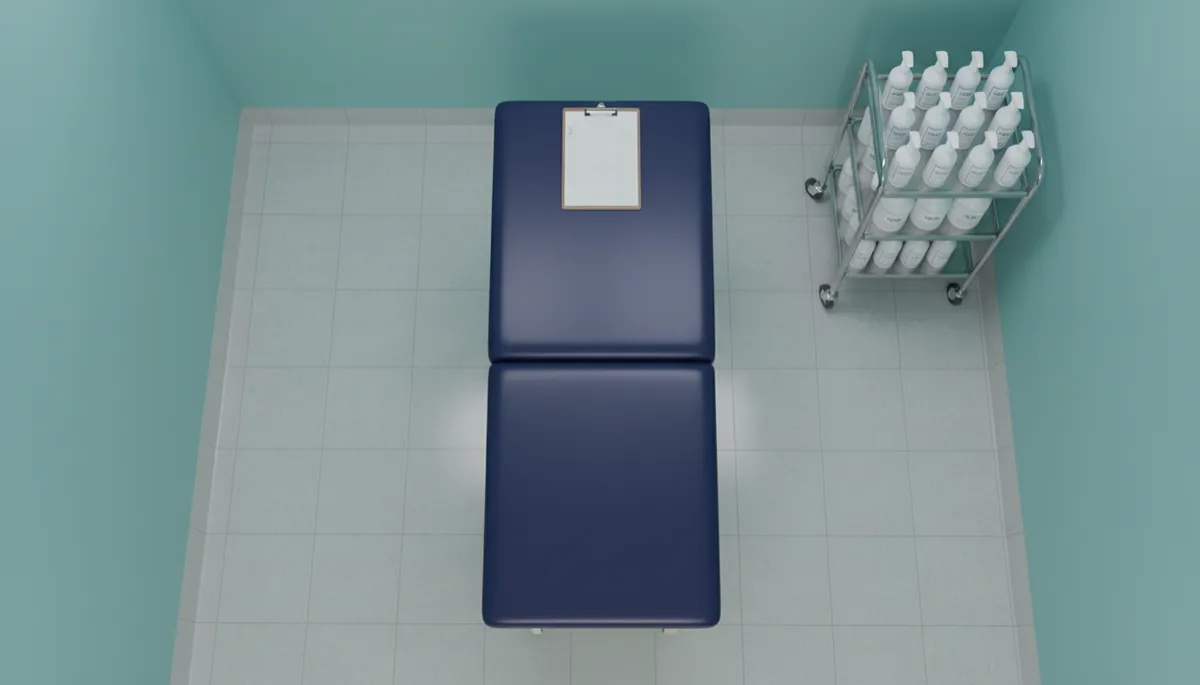
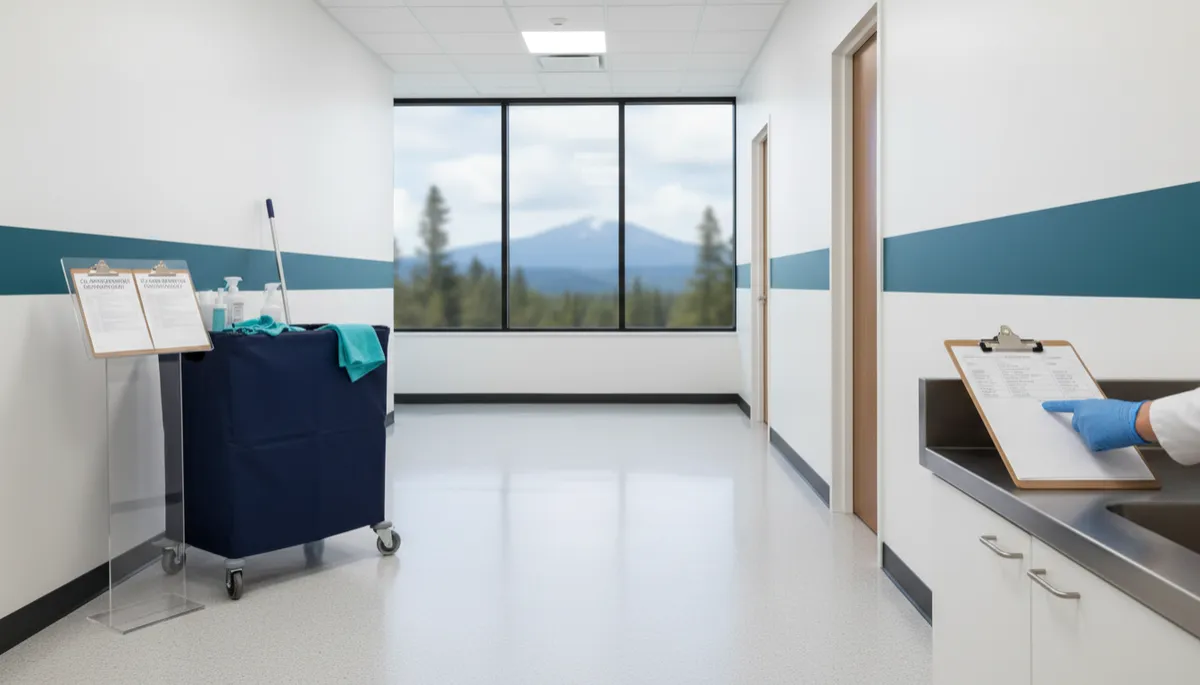
Organized tools and clear checklists make protocol compliance easier for frontline teams.
4. Training, Competency, and Auditing
Washington’s dental rules already require annual infection‑control training with documented completion. Extending this mindset to all clinical staff and EVS personnel is a best practice. Training should cover standard precautions, hand hygiene, surface disinfection, sharps safety, and facility‑specific policies. Supervisors then validate competency through direct observation, ATP or fluorescent marker audits where appropriate, and regular review of cleaning logs. Findings feed into quality‑improvement plans and, when needed, corrective coaching.
5. Integrated Documentation Systems
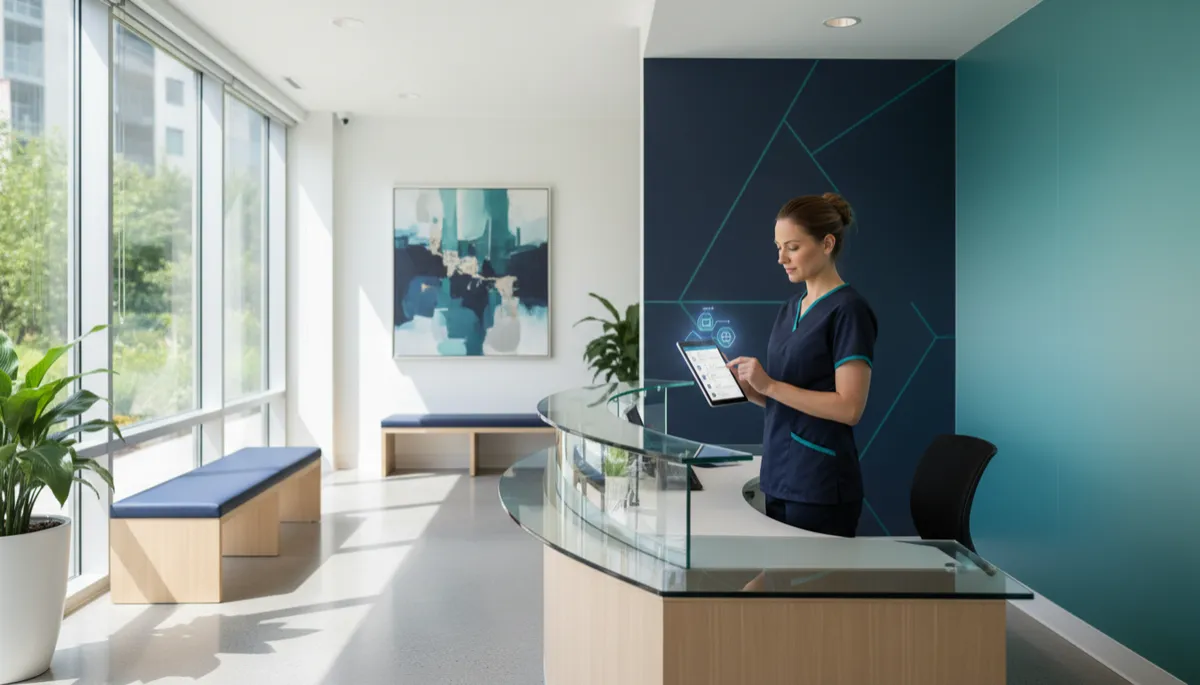
Finally, effective healthcare facility cleaning documentation is integrated into your broader compliance infrastructure. Many Washington practices now use digital tools—tablets, barcode scans, or facility‑management software—to record completed tasks, log product use, and attach incident reports or photos when necessary. Even when paper logs are used, they should be standardized, legible, and archived in alignment with your record‑retention policy and any applicable WAC requirements.
Turning Compliance into a Strategic Advantage
For Washington State healthcare leaders, the goal is not simply to “pass inspection.” Well‑designed, well‑documented cleaning programs reduce infection risk, protect staff, and differentiate your practice in a competitive market. Patients notice when facilities are pristine, when staff confidently explain disinfection routines, and when safety signage and hand hygiene stations are thoughtfully placed. Regulators notice when your policies, logs, and training records align and tell a coherent story of consistent practice.
Partnering with an EVS provider that understands medical office cleaning Washington State requirements and dental office cleaning standards can accelerate your progress. Look for vendors who can align with your infection‑prevention program, support staff education, and deliver the level of documentation you need for audits and internal reporting. When environmental services are approached as a clinical discipline, not a commodity, your cleaning program becomes a cornerstone of safe, high‑quality care.